Let’s not kid ourselves: the future of Italian football is far from golden, but in the heart of Italy, in Solomeo, a seed of hope is sown every year. Something will grow. At Brunello Cucinelli’s headquarters, as every year, Italy’s reserve teams gather for the only tournament in the world dedicated to them (the Trofeo dell’Armonia Sportiva), along with dozens of industry insiders to discuss the problems and prospects of the game, but above all to review the hundred candidates for the next Golden Boy award, which will be revealed today. Because talent is, ultimately, the very heart of any discussion about sport. If you fall in love with football, it is not because of a balanced budget, a well-orchestrated marketing campaign, or even a perfect build-up from the back.
If a child is spellbound by a football match, the reason lies in the magic of a champion. The Golden Boy has been searching for young magicians since 2003, and for two days Solomeo becomes Hogwarts, the school from Harry Potter. The lack of Italians (or even just names appearing in Serie A) is a bad sign for the health of our sport, but there are encouraging signs to be seen. After all, major crises always trigger the survival instinct and resources we thought we didn’t have. Italian football is becoming poorer; it doesn’t have the money of the Premier League, it cannot compete with the Spanish giants, it can only gaze at PSG through a telescope, and it is beginning to lag behind even the leading Bundesliga clubs. We can no longer afford to buy ready-made stars; we must return to producing our own, reviving the work of our youth academies, keeping our talent scouts on their toes, and paying close attention to nurturing their talent.
Yesterday in Solomeo, the four Italian reserve teams were in action; these are training grounds which – despite the somewhat outdated scepticism of a certain section of Italian football – are starting to produce some promising results. The scarcity of Italians on the list of 100 nominees for the Golden Boy award, which each year honours the best Under-21 player in Europe, is not a good sign, nor is the lack of Serie A representation on that list, but the trend is set to reverse. Especially if Italian football still has any sense of self-preservation. Today we will be discussing this with some outstanding figures, from Fabio Paratici to Fabio Capello, from Sara Gama to Ezio Simonelli, including Cuesta and many others who are giving serious thought to the future of our game.
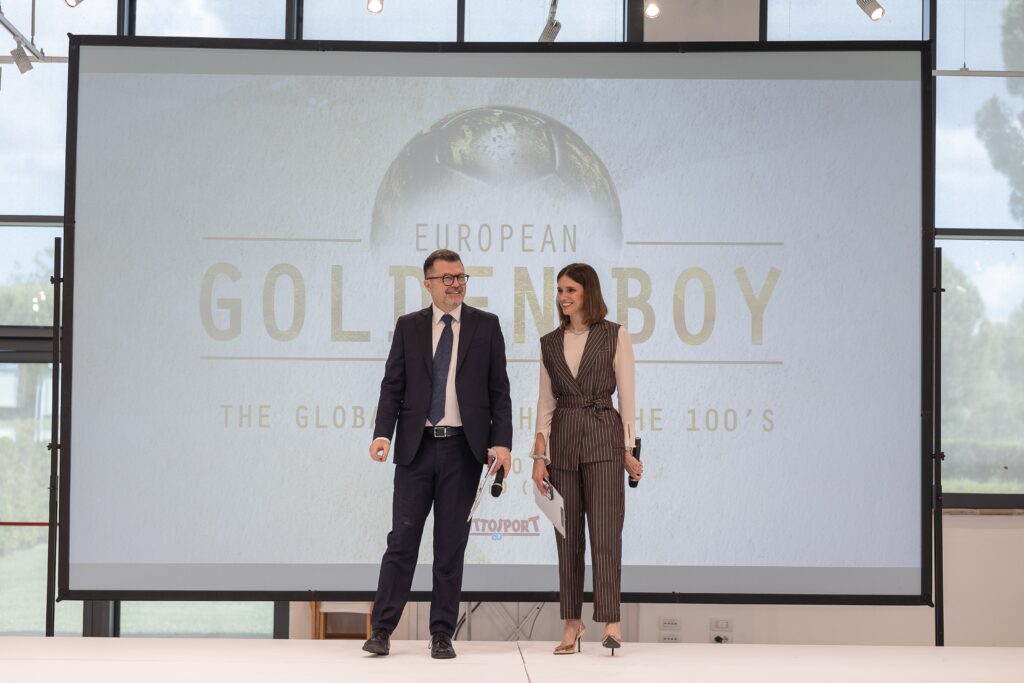
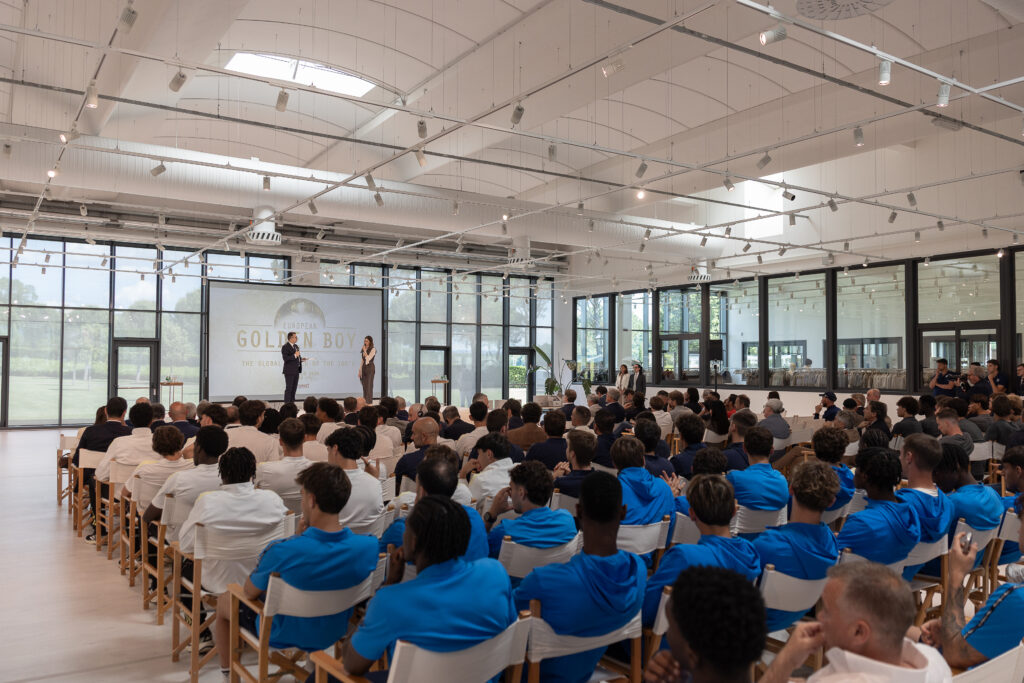
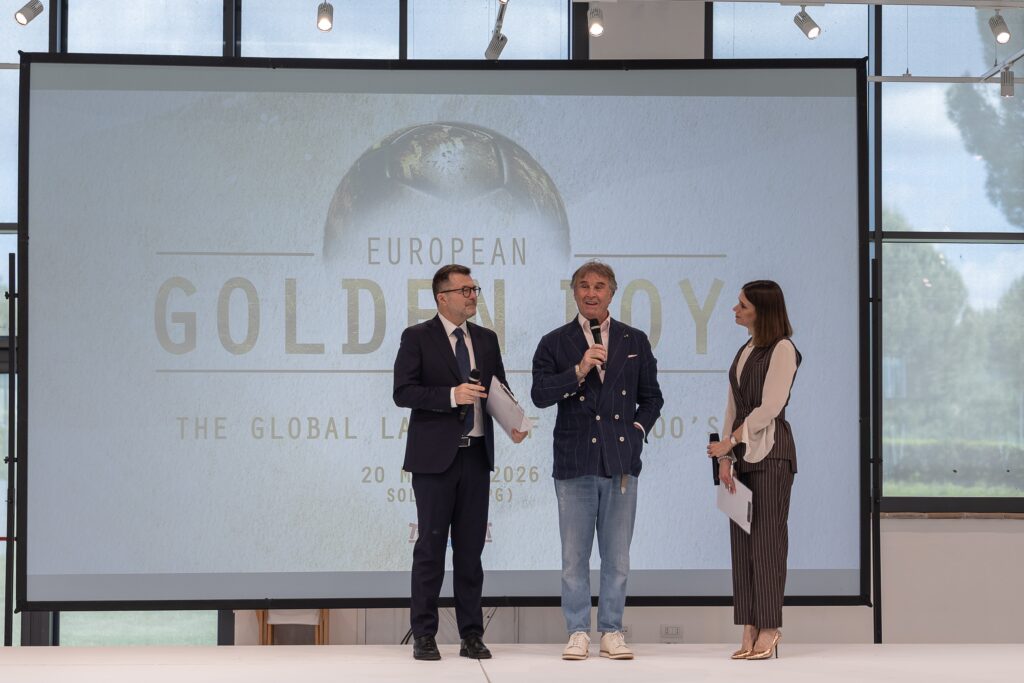
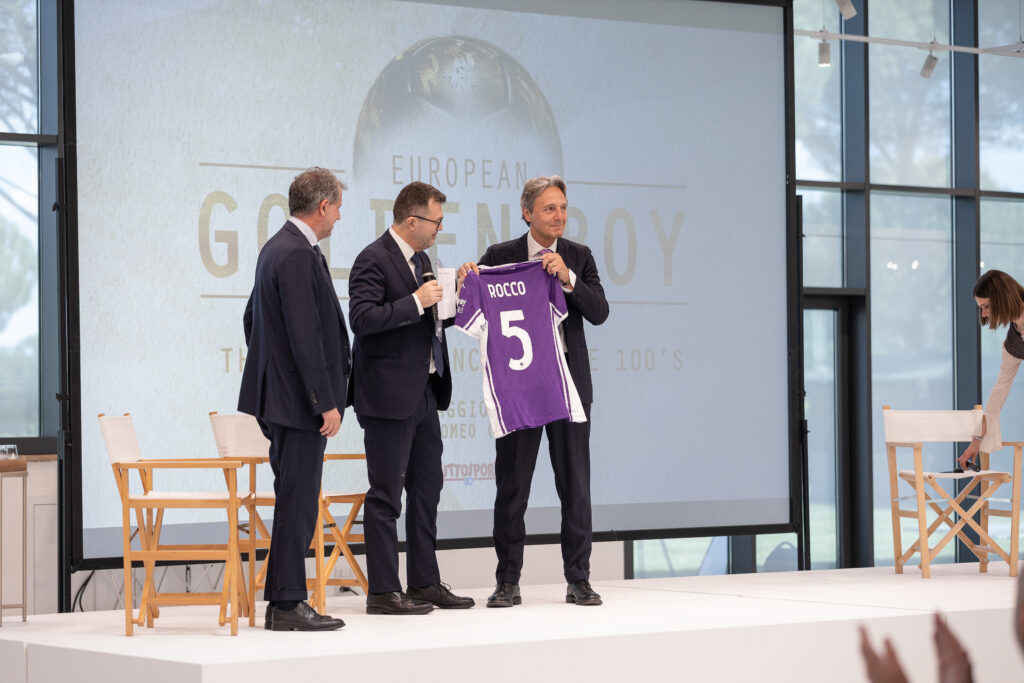
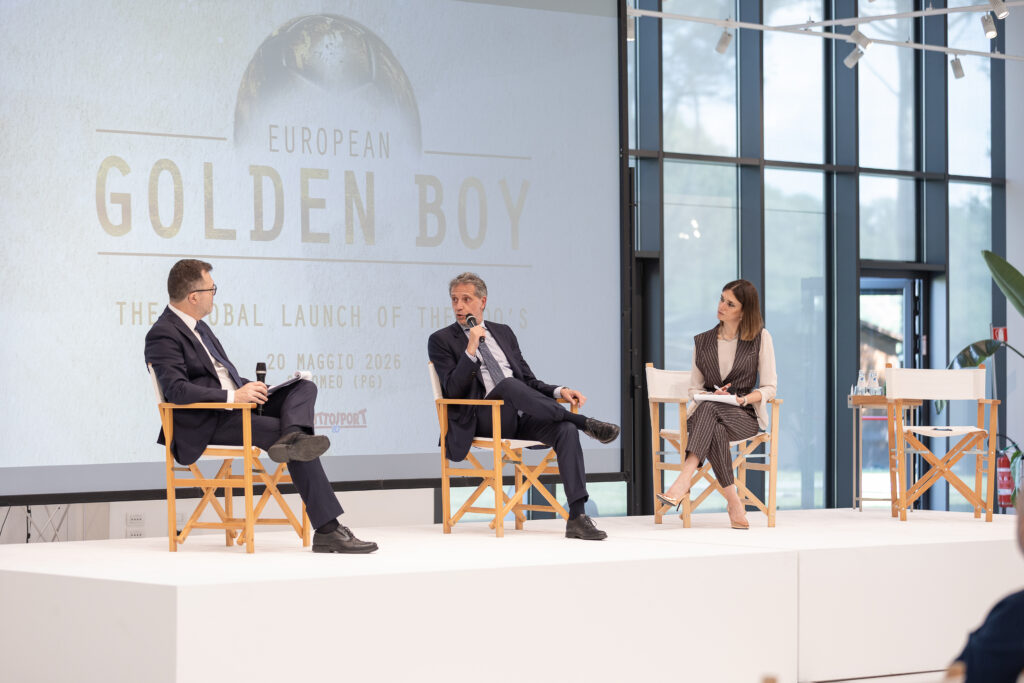
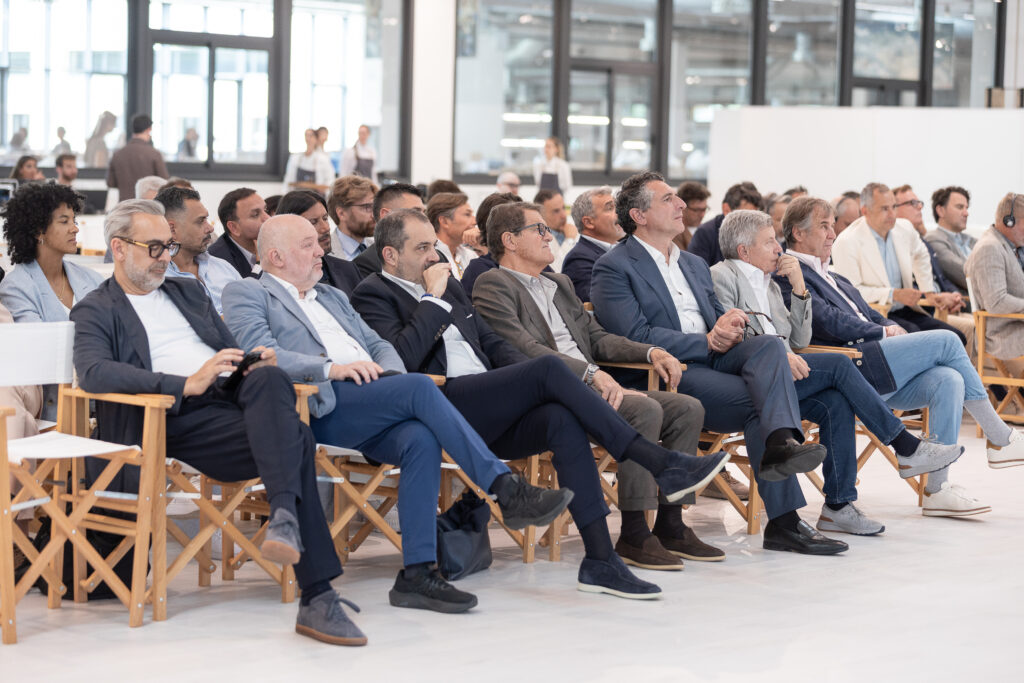
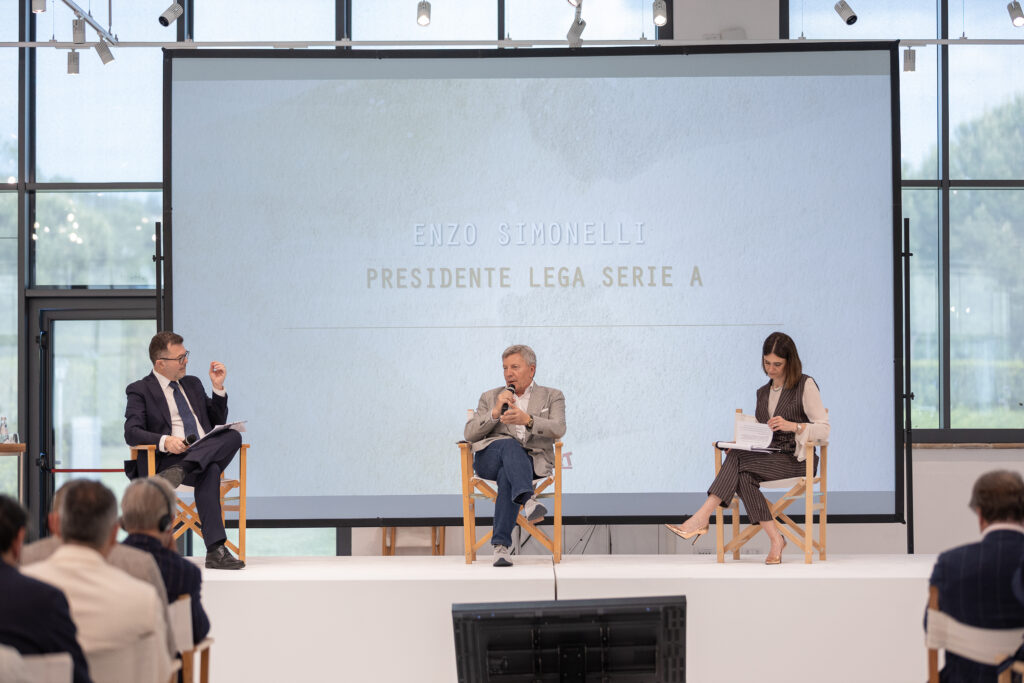
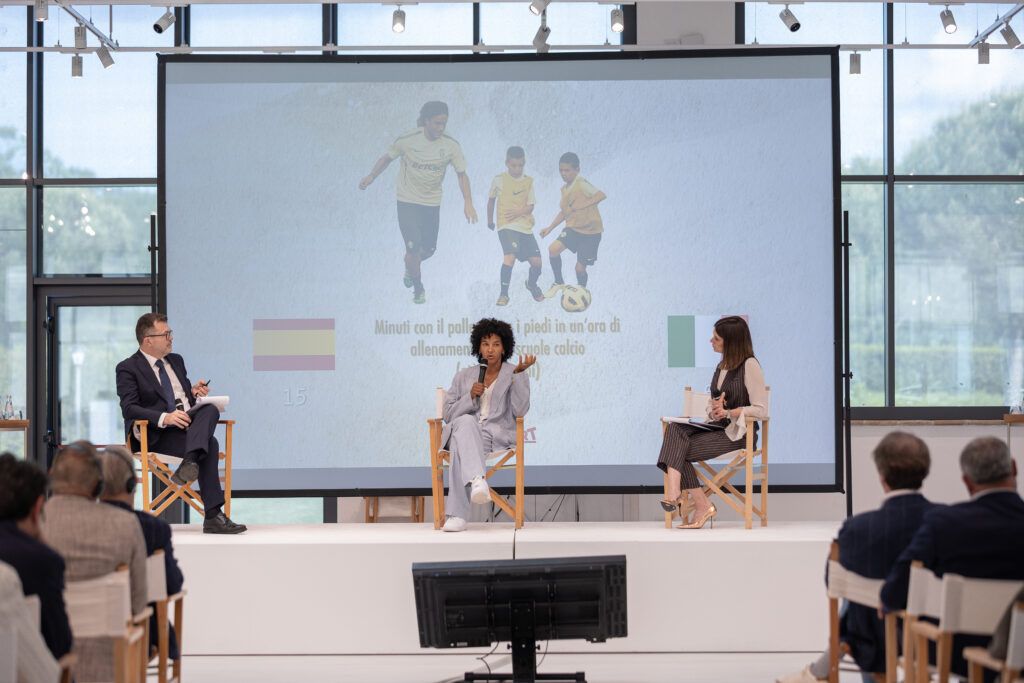
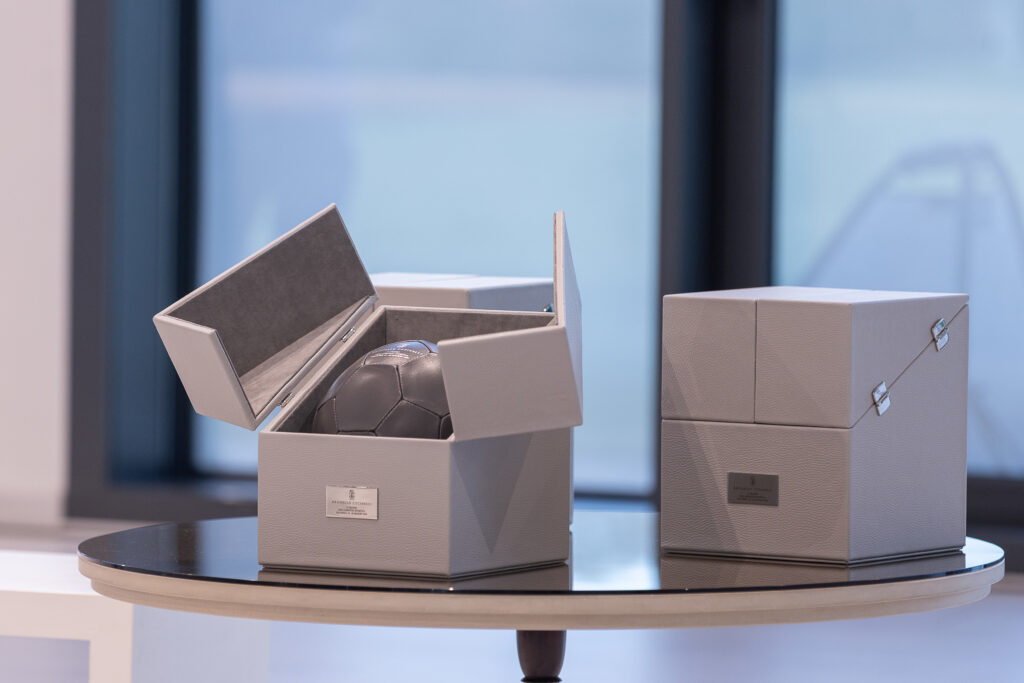
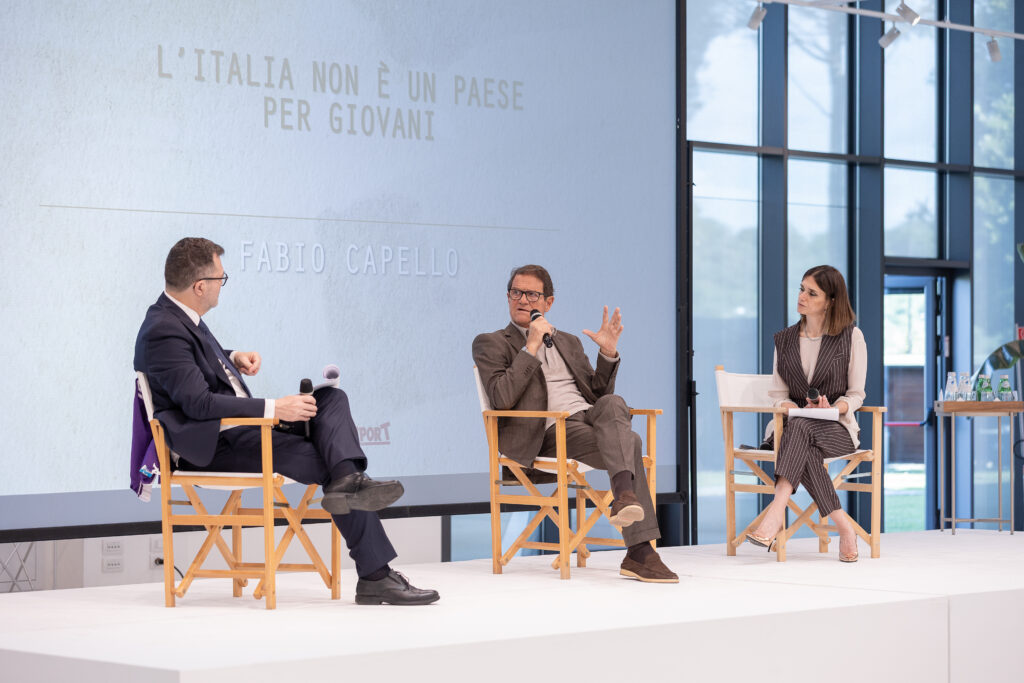
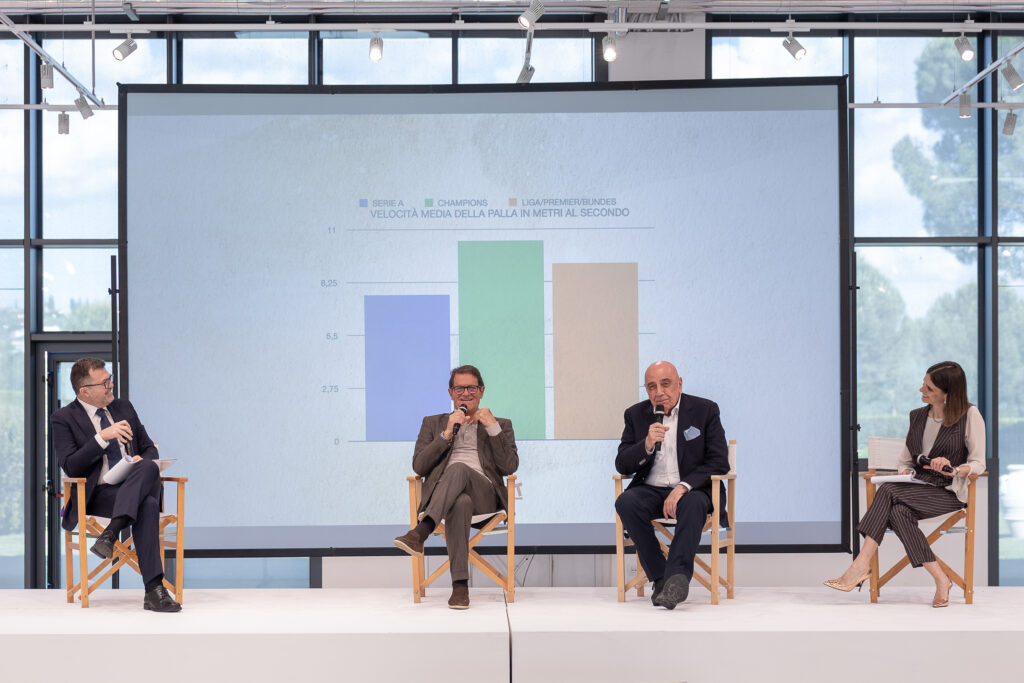
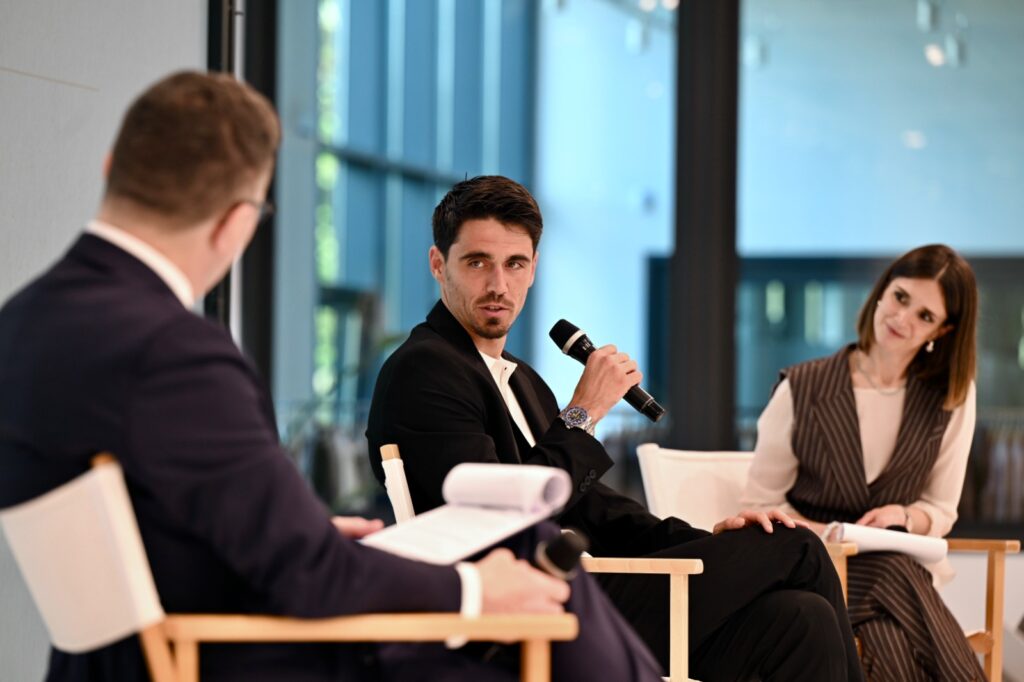
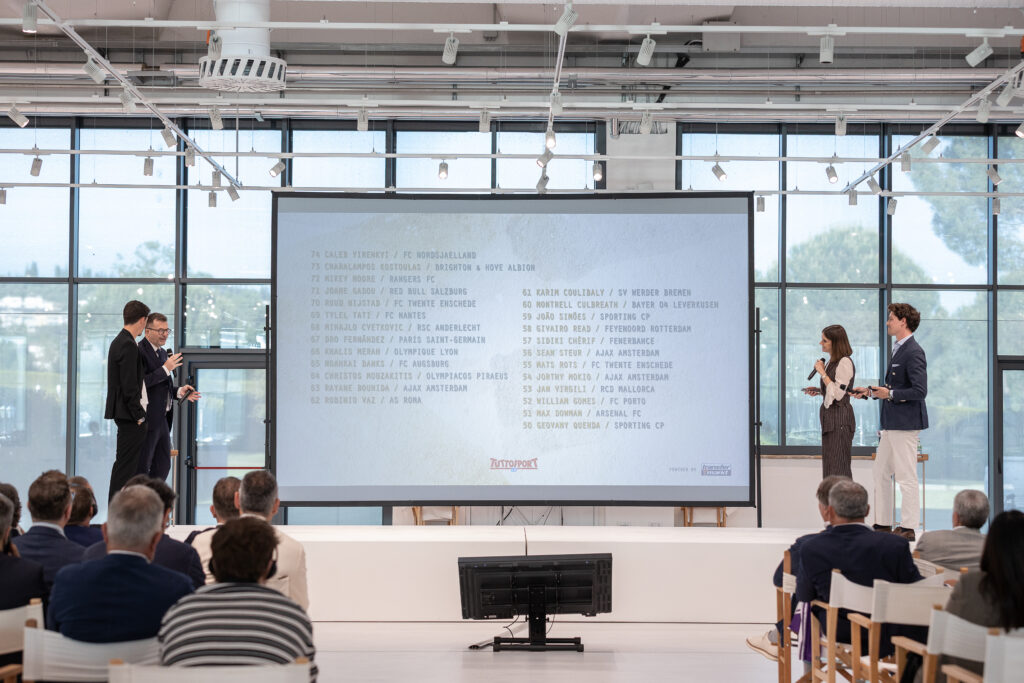
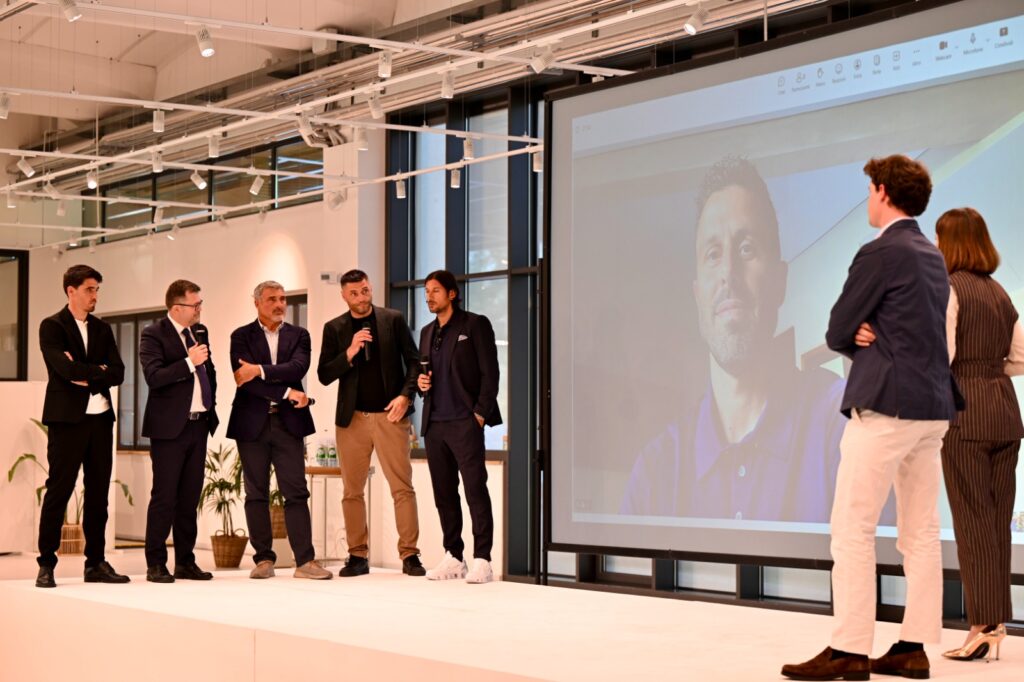
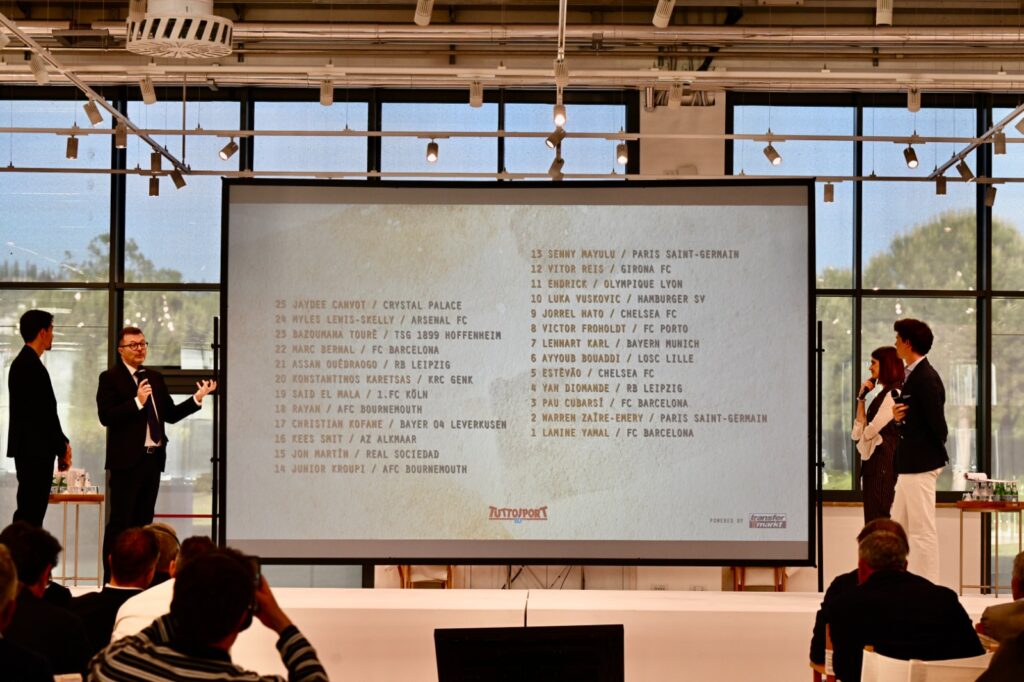
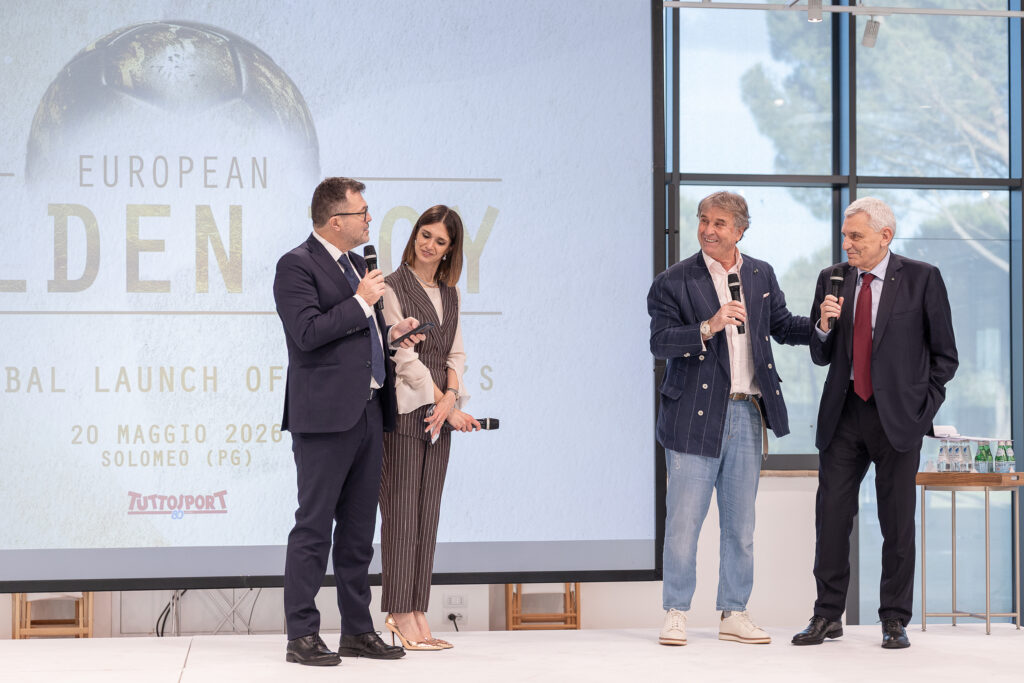
Meanwhile, yesterday, the reserve teams of Juventus, Milan, Atalanta and Inter faced off in the semi-finals; today, Inter and Milan will contest the final. After the match, all four teams had dinner together in the courtyard of Cucinelli’s headquarters, mingling as twenty-somethings do and enjoying the wonderful May evening. In football, the ‘third half’ exists only here in Solomeo. And it is a magnificent tradition, because this is also how the future is built: by instilling in the younger generations values that are perhaps not entirely new, but essential for shaping men before they become footballers.
And whilst in the stands people are discussing how to limit the use of smartphones in the changing rooms (especially those of the youth teams), bringing four teams together in a garden becomes a revolutionary social experiment, where hands are too busy holding plates and, so, to talk, you have to look each other in the eye rather than at a screen.
In the heart of Italy – the Italy that will miss out on the World Cup for the third time in a row – everything comes together: ideas, matches, food, humanity. The key objective is to try and shake up a system that has been too stagnant over the last twenty years and needs to find a way to revitalise itself. With the help of young people.